Gentle, targeted traction designed to relieve pressure and support spinal health.
Non-Surgical Spinal Decompression
Non-Surgical Spinal Decompression uses a motorized table to apply controlled traction to specific areas of the spine. It may be used as part of a comprehensive approach for certain spinal and disc-related conditions.


What Is Non-Surgical Spinal Decompression?
Spinal decompression is a specialized form of motorized traction that gently stretches and relaxes targeted areas of the spine.
The table allows Andrew to control the amount and location of traction based on your individual needs. The goal is to reduce mechanical stress on targeted spinal structures and create an environment that supports movement and recovery.
It’s controlled, targeted traction — not simply being stretched on a table.
Spinal Decompression
A Controlled Approach to Spinal Traction
Here’s a simple look at how spinal decompression fits into your care:
01
Target
Your assessment helps determine whether decompression may be appropriate and which area of the spine to address.
02
Decompress
The table applies controlled cycles of traction and relaxation to the targeted area.
03
Reassess
We’ll monitor how you’re responding and determine how decompression fits into your overall care plan.
Non-Surgical Spinal Decompression is used as part of a comprehensive approach for certain spinal and disc-related conditions.

Disc-related back or neck pain
When Might Spinal Decompression Be Helpful?
Spinal decompression may be incorporated into care for certain conditions involving the spine and intervertebral discs, including:
Decompression isn’t appropriate for every condition. Dr. Andrew will assess your symptoms, history, and goals to determine whether it’s a good fit for you.

Spinal stiffness

Degenerative disc changes

Other conditions where targeted traction may be appropriate.
Is Spinal Decompression Comfortable?
Gentle pull
Adjustable settings
Controlled motion
Personalized comfort
The decompression table uses gradual, controlled movements rather than aggressive stretching, prioritizing your comfort.
Steady stretching
The amount of traction can be adjusted based on your comfort and the area being treated.
Most patients describe the treatment as a gentle pulling or stretching sensation that can be adjusted as needed.
If something doesn’t feel right, we will adjust the treatment or stop it immediately.
Variable traction
What Happens During a Decompression Treatment?
01
Assess
We’ll review your symptoms, history, movement, and goals to determine whether decompression is appropriate.
02
Position
You’ll be comfortably positioned on the decompression table and secured according to the area being treated.
03
Treat
The table applies controlled cycles of traction to the targeted area.
04
Reassess
We’ll check your response and determine how decompression fits into your ongoing care.
Decompression Is One Part of Your Care
At Health Wave, spinal decompression isn’t viewed as a standalone solution. Depending on your needs, your care may also include: The table is a tool. Your care plan is built around you.
Spinal Adjustments
Support joint movement and function.
Active Rehabilitation
Build strength, stability, and movement capacity.
Soft Tissue Therapy
Address muscle tension and soft tissue restrictions.
Cold Laser Therapy
Support tissue recovery and healing.
Lifestyle & Movement Guidance
Help you understand how your daily habits can affect your recovery.
When Back or Neck Problems Start Getting in the Way
Spinal decompression may be considered for people whose spinal symptoms are affecting the things they want or need to do.
Everyday Life
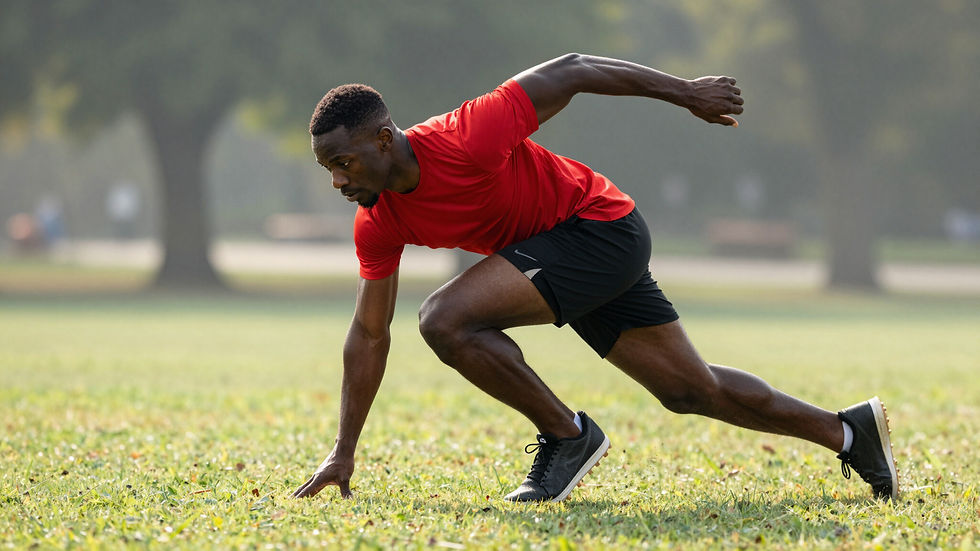
Active Individuals
Get back to work, family, and daily activities.

Persistent Symptoms
Keep moving while addressing the limitations caused by back or neck symptoms.

Conservative Options
Explore additional conservative treatment options when symptoms aren’t resolving as expected.
Build Your Recovery Around You
Depending on your needs, decompression may be combined with:
Spinal Adjustments
Address joint mobility and function.
Active Rehabilitation
Improve strength, stability, and movement.
Instrument-Assisted Soft Tissue Mobilization
Address soft tissue restrictions and mobility.
Cold Laser Therapy
Support tissue recovery.